
BEHIND THE LENSES:
Inside Photojournalism
The first masterclass of The Visual Factory will take place in Turin, at the Dora Docks. The mentors will be Fabio Bucciarelli, Manu Brabo, and Bulent Kilic. Guest speakers will include Damiano Rizzi from Soleterre and Emila Astore from Amnesty International.
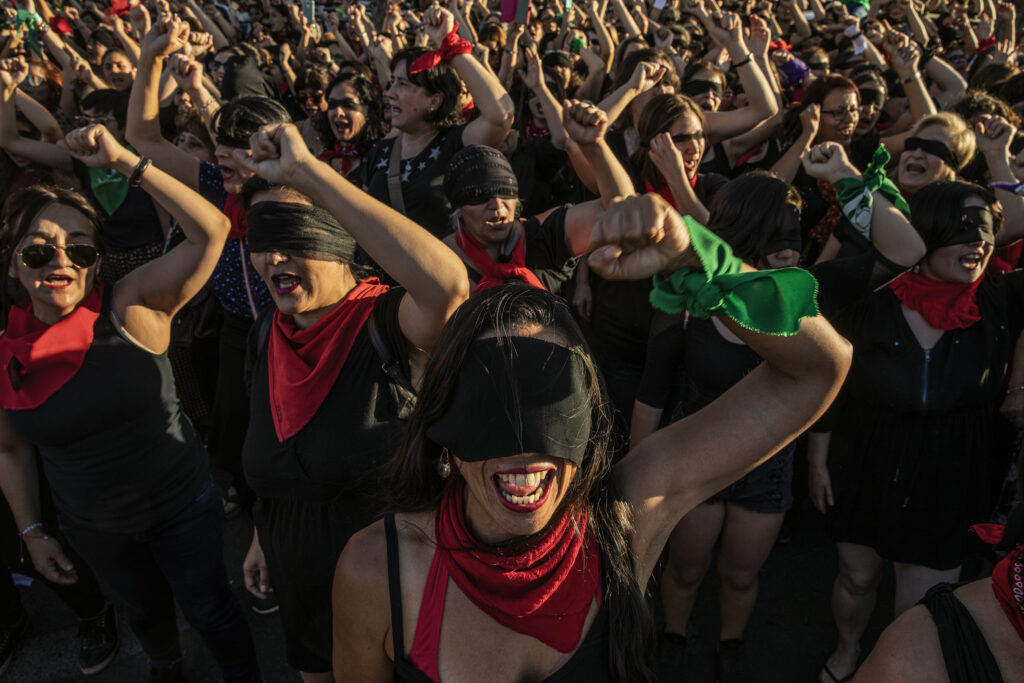
©Fabio Bucciarelli
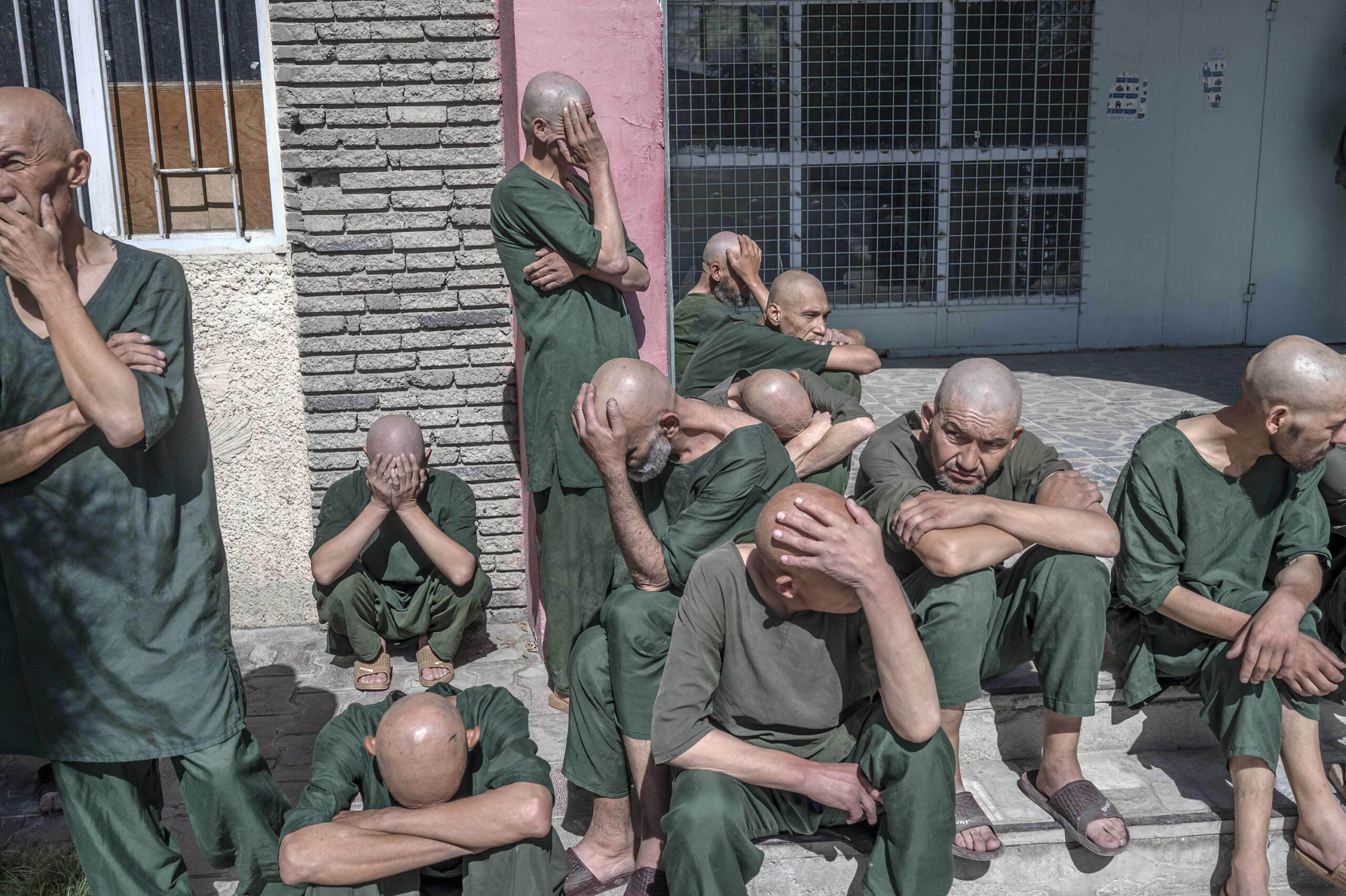
©Bülent Kılıç
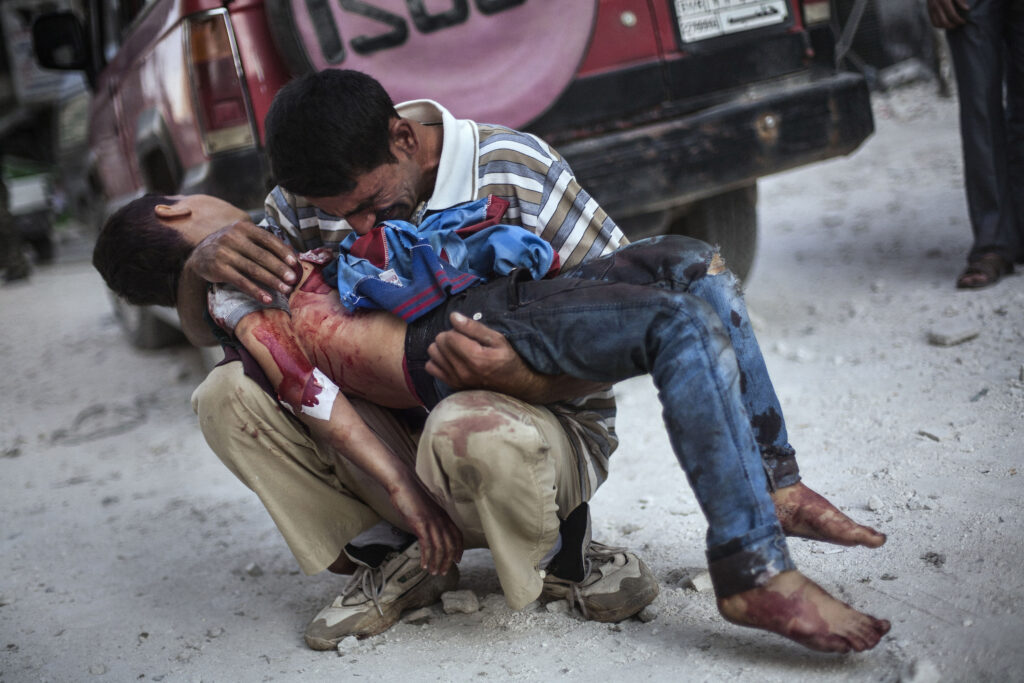
©Manu Brabo
BEHIND THE LENSES:
Inside Photojournalism
The first masterclass of The Visual Factory will take place in Turin, at the Dora Docks. The mentors will be Fabio Bucciarelli, Manu Brabo, and Bulent Kilic. Guest speakers will include Damiano Rizzi from Soleterre and Emila Astore from Amnesty International.
4 days of immersive mentorship, practice and inspiration
Program
Each day will feature a Lectio Magistralis delivered by one of the instructors, offering an intimate look into the philosophies, long-term projects, and personal experiences that have shaped their careers.
The workshop will also address the practical realities of field journalism, with a particular focus on its psychological dimensions. This includes two special guest sessions featuring Damiano Rizzi, founder and president of the NGO Soleterre, and Emilia Astore, head of Human Rights Education at Amnesty International Italia. Drawing on decades of field experience, they will explore often-overlooked topics such as mental health, conflict-related and post-traumatic stress, and how collective educational practices can serve as powerful tools to build resilience and raise awareness in contexts marked by systemic violence—ultimately contributing to long-term social transformation.
These sessions are designed to inspire reflection and deepen understanding of the human, political, and ethical challenges inherent in this line of work.
Day 1WHERE STORIES BEGIN
09:30 – 10:30
Welcome Breakfast
10:30 – 11:30
Workshop Introduction
11:30 – 13:00
Group Division & Assignment Brief
13:00 – 14:00
Lunch Break
14:00 – 18:00
Fieldwork Begins
18:30 – 20:00
Guest Talk: Bülent Kılıç
Day 2CRAFTING THE NARRATIVE
10:00 – 11:30
Plenary Session
11:30 – 13:00
Group Work
13:00 – 14:00
Lunch Break
14:00 – 18:00
Fieldwork Continues
18:30 – 20:00
Guest Talk: Manu Brabo
Day 3EXPANDING THE VISION
10:00 – 12:00
12:00 – 13:00
Group Rotation
13:00 – 14:00
Lunch Break
14:00 – 18:00
Fieldwork (Final Shooting Day)
18:30 – 20:00
Guest Talk: Fabio Bucciarelli
Day 4EDITING & STORY SHAPING
10:00 – 12:00
In contexts marked by systemic violence and armed conflict, educational practices are vital tools to build resilience and raise awareness among affected communities. For journalists, understanding the importance of human rights education and critical storytelling is crucial to moving beyond surface-level reporting. This approach helps reveal the underlying structures of violence and injustice, fostering more nuanced, responsible narratives that contribute to long-term social transformation. This talk explores how combining journalism with educational and community engagement can empower both reporters and the communities they cover, ultimately promoting deeper understanding and lasting change.
12:00 – 13:00
13:00- 14:00
Lunch Break
14:00 – 17:30
17:30 – 19:00
21:30 – LATE
Location
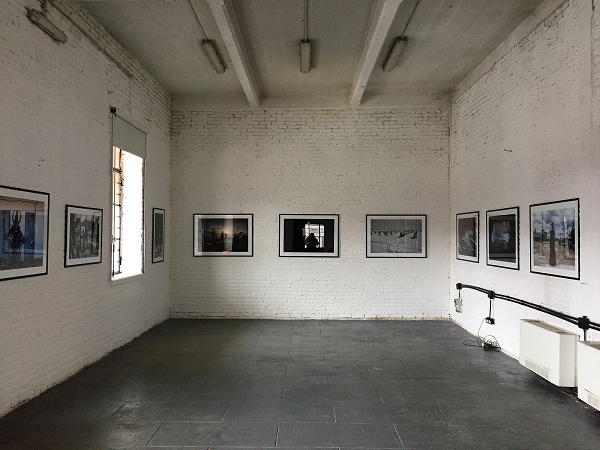
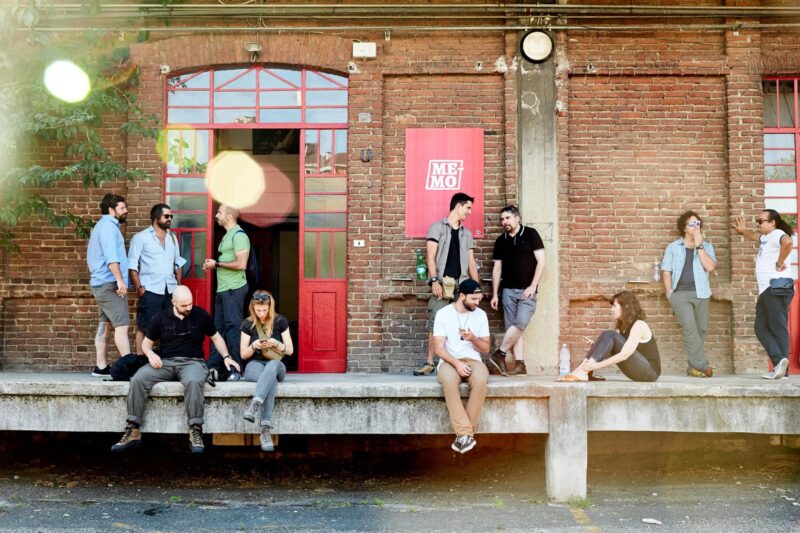
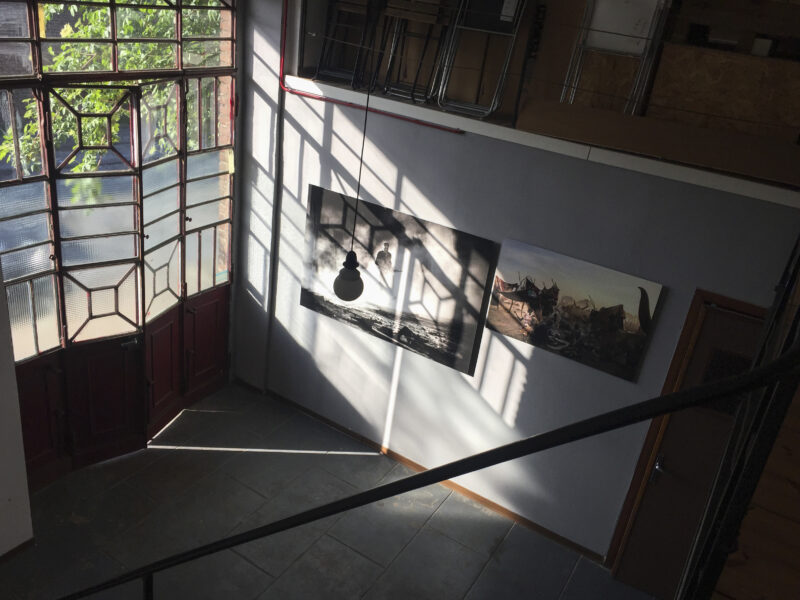
This workshop isn’t held in an ordinary rented space — it takes place at The Factory, Fabio Bucciarelli’s studio and gallery, located within the Docks Dora complex in Turin. Once an industrial area dominated by factories and warehouses, Docks Dora has been transformed into a vibrant creative hub, home to coworking spaces, startups, cultural venues, and a dynamic community of artists and professionals.
For the last decade, The Factory has been a creative hub for photojournalism—developing projects, curating exhibitions, and hosting HEAT courses. Today it’s the core of Fabio’s work, where he creates books, organizes exhibitions, connects with friends and photographers, and welcomes visiting artists.
Participating in a workshop here means immersing yourself in a unique creative ecosystem, where experimentation, dialogue, and exchange are at the core of the experience.
Fee
Mentors
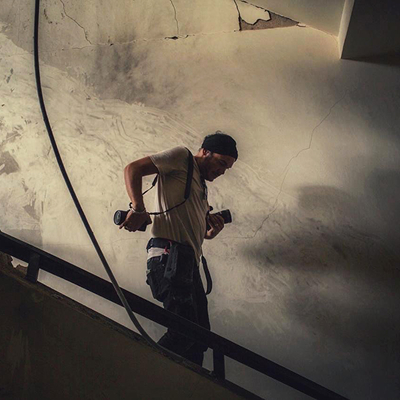
Fabio Bucciarelliis an Italian photographer, journalist, and author known internationally for his documentation of conflicts and humanitarian crises. Bucciarelli’s evocative images not only capture the human experience but also engage viewers on a visceral level, encouraging deep reflection on the complexities of the modern world. Recognized as one of the most influential photojournalists of our time, Bucciarelli collaborates with leading editorial platforms, including La Repubblica, Die Zeit, and The New York Times, and his work has earned several international awards, including the Robert Capa Gold Medal, multiple World Press Photo, multiple Sony World Photography Awards, the Visa d’Or News, the Lucie Award, and The Bayeux-Calvados for War Correspondents. He has also won thirteen POY awards, including the title of Photographer of the Year in 2019.
Over the past decade, Fabio Bucciarelli has complemented his work as a photojournalist with extensive writing and teaching activities. Since 2009, he has contributed dispatches from conflict zones for Il Fatto Quotidiano and co-authored a book on the Libyan war with Stefano Citati. He has also published three long-term photographic books, further developing his narrative approach through exhibitions and author-driven projects.
Alongside his editorial work, Fabio has developed an ongoing educational practice, leading international courses, workshops, and masterclasses in photojournalism across Europe and beyond. Over the years, he has been invited to share his experience at institutions and events such as the International Journalism Festival, Bocconi University, Repubblica delle Idee, Visa pour l’Image, the Turin International Book Fair, the Bronx Documentary Center, and the Frontline Club, among others. He has also taken part in TEDx talks and appeared on Italian television programs, including Che Tempo Che Fa and Piazza Pulita. In 2022, he worked as a correspondent for RAI TG3 covering the war in Ukraine.
Guests
Fabio Tonacci is an Italian journalist and special correspondent for the Italian daily newspaper La Repubblica. Throughout his career, he has extensively covered major domestic judicial investigations, political affairs, and critical international events. Since 2022, Tonacci has frequently worked in close tandem with Fabio Bucciarelli to produce in-depth reportages for La Repubblica. Together, they have traveled to the world’s most volatile crisis zones, including Ukraine, Sudan, Haiti, the West Bank, and Lebanon.
Damiano Rizzi
Fabio Tonacci is an Italian journalist and special correspondent for the Italian daily newspaper La Repubblica. Throughout his career, he has extensively covered major domestic judicial investigations, political affairs, and critical international events. Since 2022, Tonacci has frequently worked in close tandem with Fabio Bucciarelli to produce in-depth reportages for La Repubblica. Together, they have traveled to the world’s most volatile crisis zones, including Ukraine, Sudan, Haiti, the West Bank, and Lebanon.
Emilia Astore
FAQ
Who is the masterclass for?
The masterclass is open to everyone, with no age or experience requirements. It is designed for anyone interested in developing a personal photography project, deepening their visual language, or exploring a more structured approach to working.
What language will the workshop be held in?
The workshop will be conducted in Italian, English, Spanish, and Turkish. The group sessions will be held in English, while individual sessions can be conducted in any of these languages, depending on each participant’s needs.
Do I need to prepare anything in advance?
Preparation is not mandatory, but it is recommended. Bring an idea you’d like to develop during the masterclass, a portfolio, or a selection of existing images. This material will help facilitate discussion and enhance the editing sessions. If you don’t have anything ready, don’t worry, we will guide you—there will still be space for experimentation and creative exploration.
Will there be opportunities for individual feedback?
Yes. While most of the sessions will take place in a group setting to encourage collective learning and exchange, individual reviews and one-on-one feedback sessions are also part of the program. Each participant will receive dedicated attention from the mentors throughout the masterclass.
How do I get there? Is parking available?
The Factory is easily accessible by car or public transportation. For those arriving by car, a free on-site parking area will be available for the entire duration of the event.
Where can I stay?
There are several accommodation options near the masterclass location. We are preparing a list of recommended places to stay—covering a range of price points—which will be shared soon with all registered participants.
Do I need to bring my gear? What should I bring?
Yes. Please bring your camera (with a wide-angle lens) and a laptop with your preferred editing software (like Lightroom or Photoshop). These are essential for the shooting and post-production sessions.
What if I can no longer attend?
If you’re unable to attend, please note that the registration fee is non-refundable. However, to ensure you still benefit from the experience, we will offer you a one-hour individual call with each of the three mentors. This way, you can recover some of the content and receive tailored feedback on your work.
Can I record the sessions?
No, recording is not allowed. This policy is in place to create a respectful and safe environment where participants feel free to share their work and ideas without concern about being recorded or having their contributions shared outside the context of the masterclass.